Introduction
The aftermath of the global pandemic has brought to light a complex medical phenomenon known as Long COVID, a condition characterized by persistent symptoms that extend well beyond the initial acute infection. Says Dr. Stanley Sy, among the most concerning manifestations are pulmonary complications, which continue to affect a significant portion of patients months or even years after their recovery. As medical professionals delve deeper into the long-term impacts of the virus on the respiratory system, the focus has shifted toward understanding the mechanisms of lingering inflammation and identifying therapeutic pathways to restore lung function.
Addressing the challenges posed by Long COVID requires a multidisciplinary approach that integrates advanced diagnostics with emerging medical interventions. While the clinical understanding of the virus is still evolving, the medical community is making strides in categorizing these pulmonary sequelae and tailoring treatments to improve patient outcomes. This article explores the current state of pulmonary care for Long COVID, examining the innovative strategies being deployed to help patients regain their respiratory health and return to their daily activities with improved quality of life.
Understanding Long COVID Pulmonary Pathophysiology
The respiratory tract often serves as the primary battleground for the virus, and for many patients, this conflict results in lasting structural and physiological changes. Research indicates that Long COVID lungs often exhibit signs of persistent parenchymal damage, including interstitial abnormalities and reduced diffusing capacity. These changes are frequently driven by an ongoing immune response that maintains a state of chronic inflammation within the delicate alveolar tissues. Even in patients who did not require hospitalization, subclinical lung injury can lead to persistent breathlessness and an inability to perform routine physical exertion.
Beyond direct physical damage, the pulmonary vasculature is frequently impacted, leading to conditions resembling microvascular dysfunction. This disruption in the exchange of gases creates a physiological environment where oxygen uptake is inefficient despite seemingly normal standard lung function tests. By examining these complex pathological processes, clinicians are better positioned to differentiate between primary lung disease and systemic complications, allowing for the implementation of specialized protocols that target the root cause of the patient’s respiratory distress.
Diagnostic Innovations in Respiratory Assessment
Standard clinical evaluations, such as routine chest X-rays or basic spirometry, often fail to capture the nuanced damage associated with Long COVID. Consequently, medical practitioners are increasingly relying on high-resolution computed tomography scans and advanced pulmonary function testing to visualize subtle scarring or airway obstructions. These diagnostic tools are critical in mapping the extent of respiratory involvement and tracking whether the lung tissue is showing signs of recovery or progressive fibrosis over time.
Furthermore, the integration of cardiopulmonary exercise testing has become a vital component in assessing functional impairment. This procedure provides an objective measure of how the heart and lungs work in tandem during physical exertion, which is crucial for identifying patients suffering from exertional dyspnea. By utilizing these refined diagnostic metrics, healthcare providers can move beyond subjective symptom reporting and create a comprehensive clinical profile that guides the selection of targeted pulmonary interventions and long-term monitoring strategies.
Emerging Pharmacological and Therapeutic Approaches
The current pharmacological landscape for treating Long COVID pulmonary issues is primarily centered on managing inflammatory pathways and supporting tissue repair. Researchers are currently evaluating the efficacy of targeted anti-inflammatory medications and antifibrotic agents to mitigate the scarring processes that often follow severe pulmonary infection. By neutralizing the persistent localized immune activation, clinicians hope to halt the progression of tissue remodeling and encourage the lungs to heal more effectively while preventing further cellular degradation.
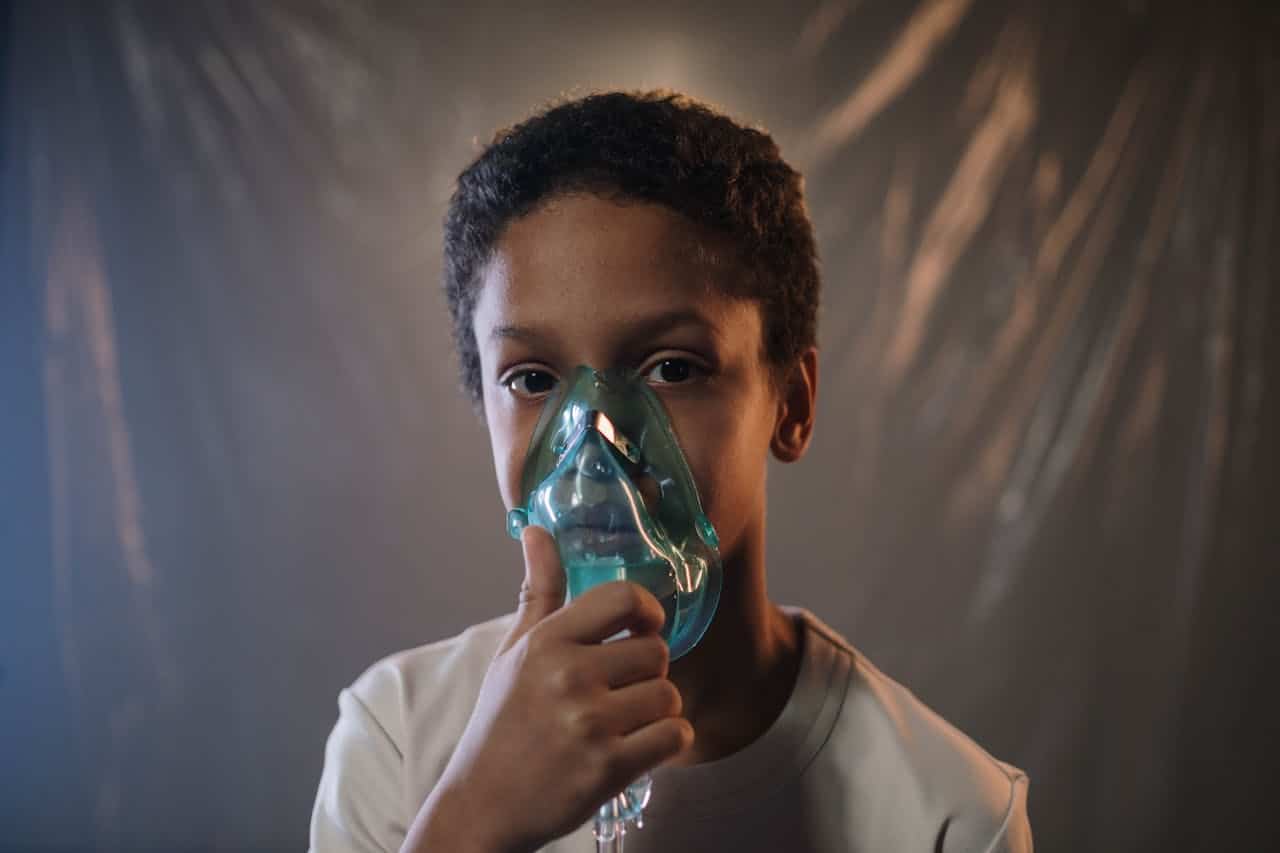
In addition to systemic medication, inhaled therapies are gaining traction as a means of delivering concentrated relief directly to the bronchial and alveolar structures. These localized treatments aim to reduce airway hypersensitivity and improve overall ventilation parameters. As clinical trials progress, the medical community is cautiously optimistic that these emerging interventions will provide a more standardized and effective approach to reversing the damage caused by the virus, offering a glimmer of hope to those struggling with chronic respiratory limitations.
The Role of Pulmonary Rehabilitation
Pulmonary rehabilitation remains a cornerstone of non-pharmacological care, offering structured programs designed to rebuild respiratory muscle strength and cardiovascular endurance. These programs are far more than simple exercise sessions; they are carefully calibrated regimens that incorporate breathing retraining techniques to help patients manage their breathlessness. By teaching patients how to optimize their respiratory mechanics, therapists empower individuals to maximize their lung capacity and improve the efficiency of every breath, which significantly reduces the psychological burden of chronic respiratory distress.
These rehabilitation initiatives also prioritize patient education, focusing on energy conservation and adaptive strategies for managing fatigue associated with reduced oxygen delivery. By fostering a supportive clinical environment, rehabilitation specialists help patients overcome the mental barriers associated with chronic illness, facilitating a gradual but sustained return to higher levels of activity. The holistic nature of these programs ensures that patients are not merely surviving but are actively working to reclaim their physical health through evidence-based movement and physiological conditioning.
Conclusion
Navigating the complexities of Long COVID pulmonary complications remains one of the most pressing challenges in contemporary medicine. While the road to recovery can be arduous, the combination of advanced diagnostics, targeted pharmacological therapies, and structured rehabilitation offers a robust framework for managing and potentially reversing pulmonary damage. The focus on personalized medicine ensures that each patient’s unique respiratory profile is addressed, moving the needle toward improved long-term prognosis.
As research continues to mature, the integration of these emerging solutions into standard clinical practice will be essential for addressing the long-term needs of the global population. By maintaining a commitment to rigorous scientific inquiry and patient-centered care, the medical community is steadily improving its ability to support those affected by this post-viral condition. With ongoing innovation and a dedication to comprehensive health strategies, the outlook for patients living with Long COVID pulmonary symptoms continues to brighten.